
Whether you are a landlord meeting your legal duties or a homeowner who wants peace of mind, a gas safety check keeps the people in your property safe. Our Gas Safe registered engineers carry out landlord gas safety certificates (CP12) and appliance safety checks right across Newcastle Upon Tyne, with a fast turnaround and your record issued promptly. Every visit comes with a free, no-obligation quote.
A landlord gas safety certificate, properly called a Landlord Gas Safety Record and widely known as a CP12, is the document a Gas Safe registered engineer gives you after checking the gas appliances and flues in a property. A flue is the pipe or chimney that carries waste gases safely outside. The record lists what was tested, confirms each appliance is safe to use, and notes anything that needs attention. If you rent out a property, holding a valid, in-date certificate is a legal requirement, not an optional extra.
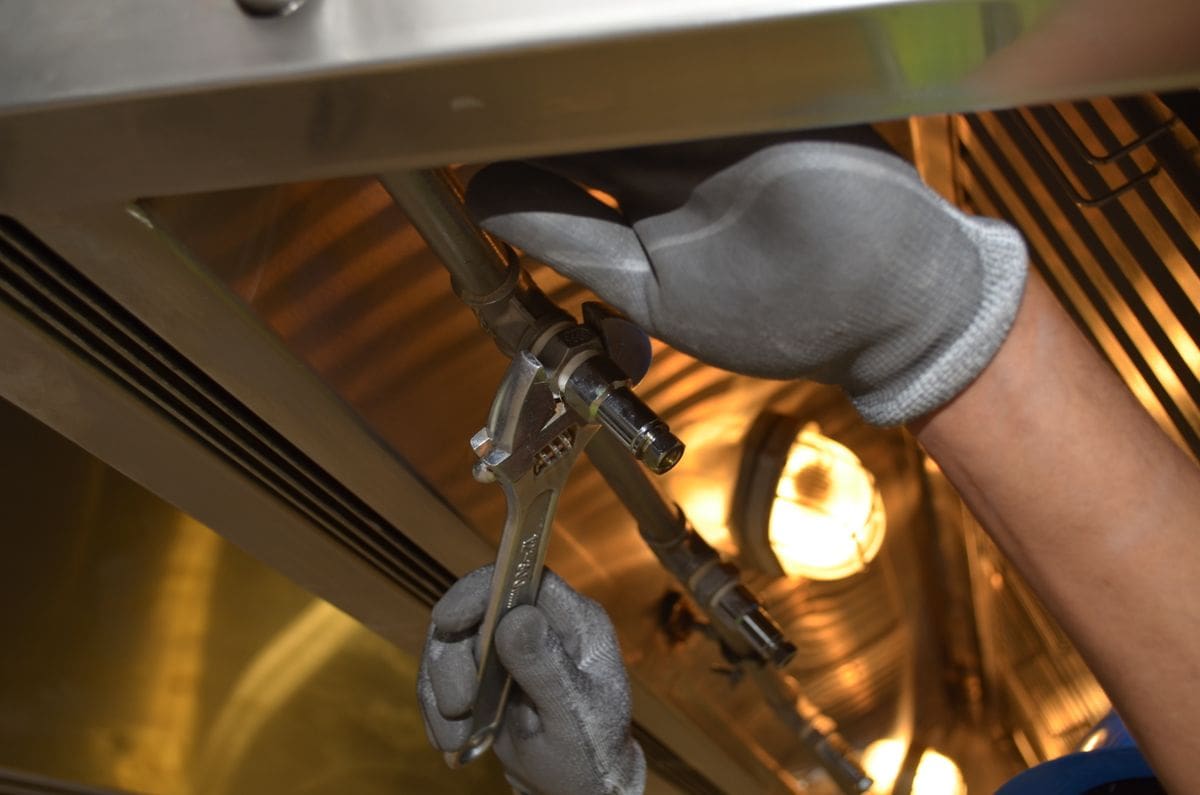
The check behind it is quick and non-intrusive. An engineer tests each gas appliance and the pipework feeding it, makes sure waste gases are escaping safely, and confirms the safety controls are doing their job. Our Gas Safe registered engineers carry these out every day across Newcastle Upon Tyne, so the whole visit is handled calmly and the record is ready without delay.
The Gas Safety (Installation and Use) Regulations set out clear responsibilities for anyone who lets a property. In short, you must keep the gas side of the home safe and be able to prove it. The main duties are:
Appliances a tenant owns themselves are usually their responsibility, but the pipework and any appliance you supply are down to you. If you are unsure where the line falls in your property, just ask and we will talk it through.
A gas safety check is a methodical inspection rather than a quick glance. Our engineers work through the whole gas system to confirm everything is operating safely and correctly. That includes:
If everything passes, the record is issued there and then. If we find a fault, we explain it plainly, tell you how serious it is and talk you through the options for putting it right.
Only landlords are legally obliged to hold a certificate, but the risks from a faulty appliance are exactly the same in an owner-occupied home. An annual gas safety check is one of the simplest ways to protect your household. It catches small faults before they become dangerous or expensive, keeps your boiler and other appliances running efficiently, and gives you genuine peace of mind heading into winter. Many homeowners book a safety check at the same time as their annual boiler service to keep everything in one visit.
Carbon monoxide is a poisonous gas produced when an appliance burns gas incorrectly. It has no colour and no smell, which is what makes it so dangerous, and it can be fatal. A gas safety check confirms your appliances are burning cleanly and venting properly, but it also helps to know the warning signs between visits:
We strongly recommend fitting an audible carbon monoxide alarm near your gas appliances as an extra layer of protection. If you ever smell gas or suspect a leak, do not switch anything electrical on or off, open the windows, turn off the gas at the meter if you safely can, and call the National Gas Emergency Service on 0800 111 999 — the free, 24-hour national emergency line for suspected gas leaks.
We know landlords often work to tight deadlines between tenancies, so we keep things moving. In most cases the gas safety certificate is issued on the same visit, as soon as the check is complete and everything has passed. Our engineers work efficiently without cutting corners, so you can meet your obligations without the stress. To arrange a check, use the quote form on this page or email info@heatingengineernewcastle.co.uk.
A CP12 — formally a Landlord Gas Safety Record — is the document issued after a Gas Safe registered engineer inspects the gas appliances and flues in a rented property. It lists what was checked and confirms each appliance is safe to use. Landlords are legally required to hold a valid, in-date copy for every property they let.
Landlords must arrange a check at least every 12 months on all gas appliances and flues they provide. It is sensible to book slightly before the current certificate runs out so there is no gap in cover. Homeowners are not legally required to have one, but an annual check is strongly recommended to keep appliances safe and efficient.
Homeowners are not legally obliged to hold a certificate, but having your appliances checked every year is a wise precaution — the risks from a faulty appliance are the same whether you rent or own. A check catches faults early, keeps appliances running efficiently and protects your household from carbon monoxide. Many people book it alongside their annual boiler service.
Treat it as an emergency. Do not use any electrical switches, open the doors and windows to let fresh air in, turn the gas off at the meter if you can do so safely, and leave the property if you feel unwell. Then call the National Gas Emergency Service on 0800 111 999 — the free, 24-hour national line for suspected gas leaks. Once it is made safe, we can inspect and repair the appliance.
In most cases the certificate is issued on the same visit, as soon as the check is complete and everything has passed. We work efficiently so landlords can meet tight deadlines between tenancies. Request a check using the quote form on this page or email info@heatingengineernewcastle.co.uk.
Book a gas safety check or landlord CP12 in Newcastle Upon Tyne today. Gas Safe registered engineers, fast turnaround and a free, no-obligation quote.