
When your radiators run cold at the bottom and the boiler sounds like it is working overtime, sludge is usually the culprit. Our Gas Safe registered engineers power flush central heating systems across Newcastle Upon Tyne to clear that build-up, bring back even warmth and ease the strain on your boiler. Every job comes with a free, no-obligation quote and guaranteed workmanship.
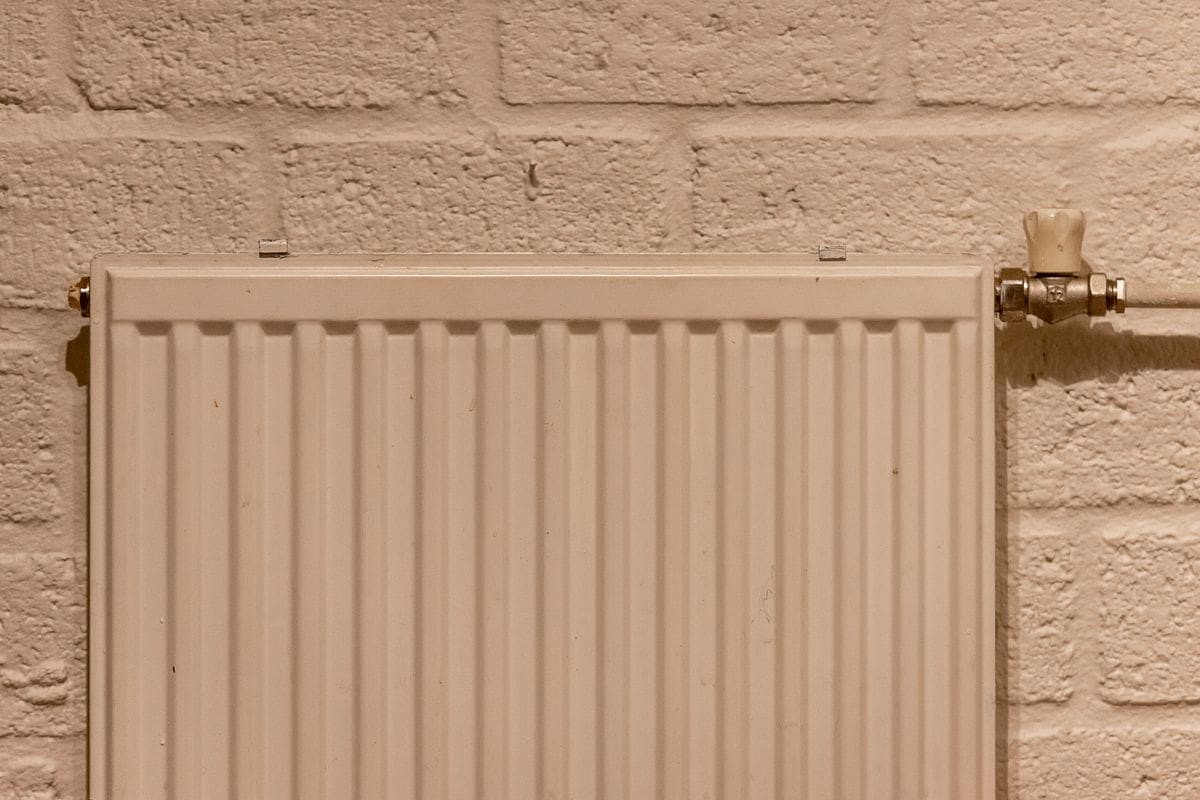
Power flushing is a deep clean for your central heating. Over the years, tiny amounts of rust form inside steel radiators and mix with the water in the system. That rust turns into a thick, black sludge that sinks to the bottom of radiators and gathers in the pipework. As it builds up, it blocks the flow of hot water, so parts of your home never properly warm through and your boiler burns more fuel trying to keep up.
A power flush clears it out. We connect a specialist pumping machine to your heating and push a fast-moving flow of water, mixed with cleaning chemicals, through every radiator and the boiler. The force of that flow breaks the sludge loose and carries it out of the system, leaving clean water behind. It is the same water your system already uses, just moving faster and treated to shift the debris that a normal top-up could never remove.
You rarely see the sludge itself, but your heating will tell you it is there. Look out for these common signs:
If you recognise two or three of these, it is well worth having the system looked at before a blockage turns into a bigger repair.
Every flush is a little different, but the method stays the same. Here is what to expect when our engineers arrive:
A power flush is not just about fixing cold radiators. With the sludge gone, hot water moves freely again, so the whole system responds the way it should. You can expect:
Most domestic power flushes are finished within a day. A smaller home with a handful of radiators might take around four hours, while a larger property, or one where the sludge is heavy, can take a full working day of six to eight hours. We will give you a realistic timescale with your quote so you can plan around it, and we always aim to leave your heating up and running before we go.
A magnetic filter is a small device fitted onto the pipework near your boiler. As water passes through, a powerful magnet catches the tiny iron particles that cause sludge, trapping them before they can settle in your radiators again. We clean it out at each annual service. Fitting one after a flush is the single best way to protect your freshly cleaned system, and it is why we recommend it on every job.
The clearest signs are cold spots at the bottom of radiators while the tops stay warm, radiators that are slow to heat, a noisy boiler, dirty water when you bleed a radiator, and having to bleed them often. If you notice two or more of these, a power flush is usually the answer. If you are not sure, we are happy to take a look first.
Most domestic power flushes are done within a day. A small system of a few radiators might take around four hours, while a larger home or one with heavy sludge can take six to eight hours. We will give you a clear timescale with your quote and aim to leave your heating running before we finish.
In most cases, yes. When sludge is cleared out, hot water circulates freely again, so your boiler reaches temperature faster and does not have to work as hard. That improved efficiency usually shows up as lower running costs and fewer breakdowns over the following winters.
The price depends on the number of radiators, the size of the system and how much sludge has built up, so there is no single fixed figure. Rather than quote a rough number, we give you a clear, no-obligation price for your own home once we understand what the job involves. Just send us a few details and we will come back to you.
Yes, we recommend it on every flush. A magnetic filter sits on the pipework by your boiler and catches the tiny iron particles that cause sludge, before they can settle in your radiators again. It is the best way to keep a freshly cleaned system protected, and we clean it out at each annual service.
Tell us about your heating and we will send a free, no-obligation quote for a power flush in Newcastle Upon Tyne. Gas Safe registered, fully insured and guaranteed.